

Pigment safe
✳︎
Pigment safe ✳︎
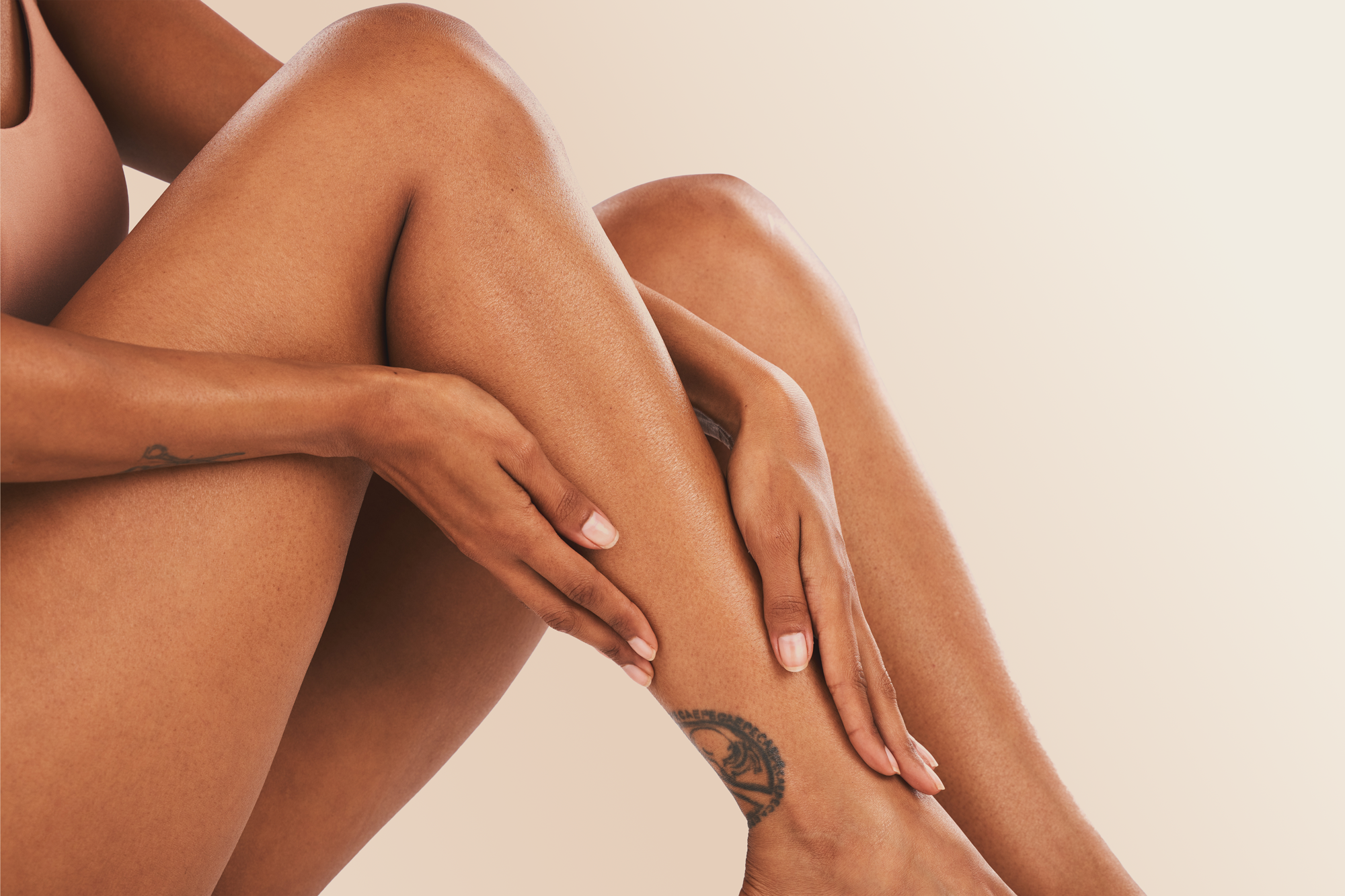
Pigment safeSafe skin
At Tenora, our Pigment Safe Fitzpatrick scale checks how your skin reacts to sun and pigment so we can choose the safest laser settings, cooling, and timing. This reduces risks like dark spots and burns while getting the best results for every skin tone. Our Guardians, accurate skin typing, and conservative energy use keep higher Fitzpatrick types safe without losing effectiveness—so you get smoother, clearer skin with less downtime and more predictable results.
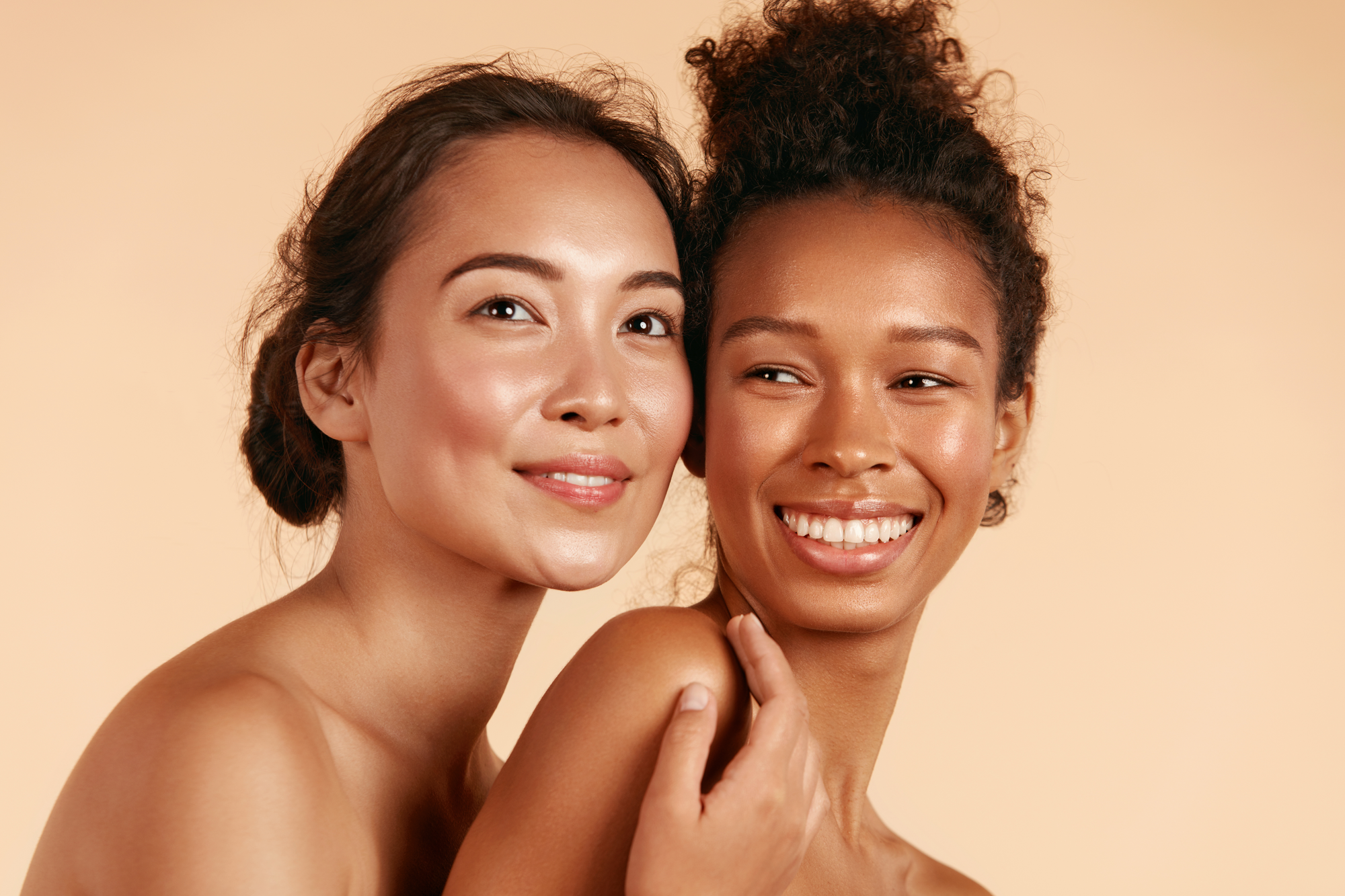
Skin science
Pigment safe
Fitzpatrick scale
The Fitzpatrick scale is a six-point classification developed at Harvard in 1975 to describe how skin responds to ultraviolet light. It's the standard reference in dermatology for matching laser wavelengths and energy settings to a person's skin. It measures melanin content and UV response.
For laser hair removal specifically, the scale matters because lasers work by finding melanin — the pigment in hair follicles. Skin contains melanin too. The Guardian's job is to deliver enough energy to disable the follicle while leaving the surrounding skin untouched. Skin type determines which wavelength, which pulse duration, and which energy level make that possible.

I
Very fair skin, often with red or strawberry-blond hair and freckles. Always burns, never tans.

II
Fair skin, often with blond or light-brown hair. Burns easily, tans minimally.

III
Light to medium skin, typically with brown hair. Sometimes burns, gradually tans.

IV
Olive to light-brown skin with dark hair; rarely burns, tans easily.

V
Brown skin. Very rarely burns, tans deeply.

VI
Deeply pigmented brown to black skin.
Almost never burns.