

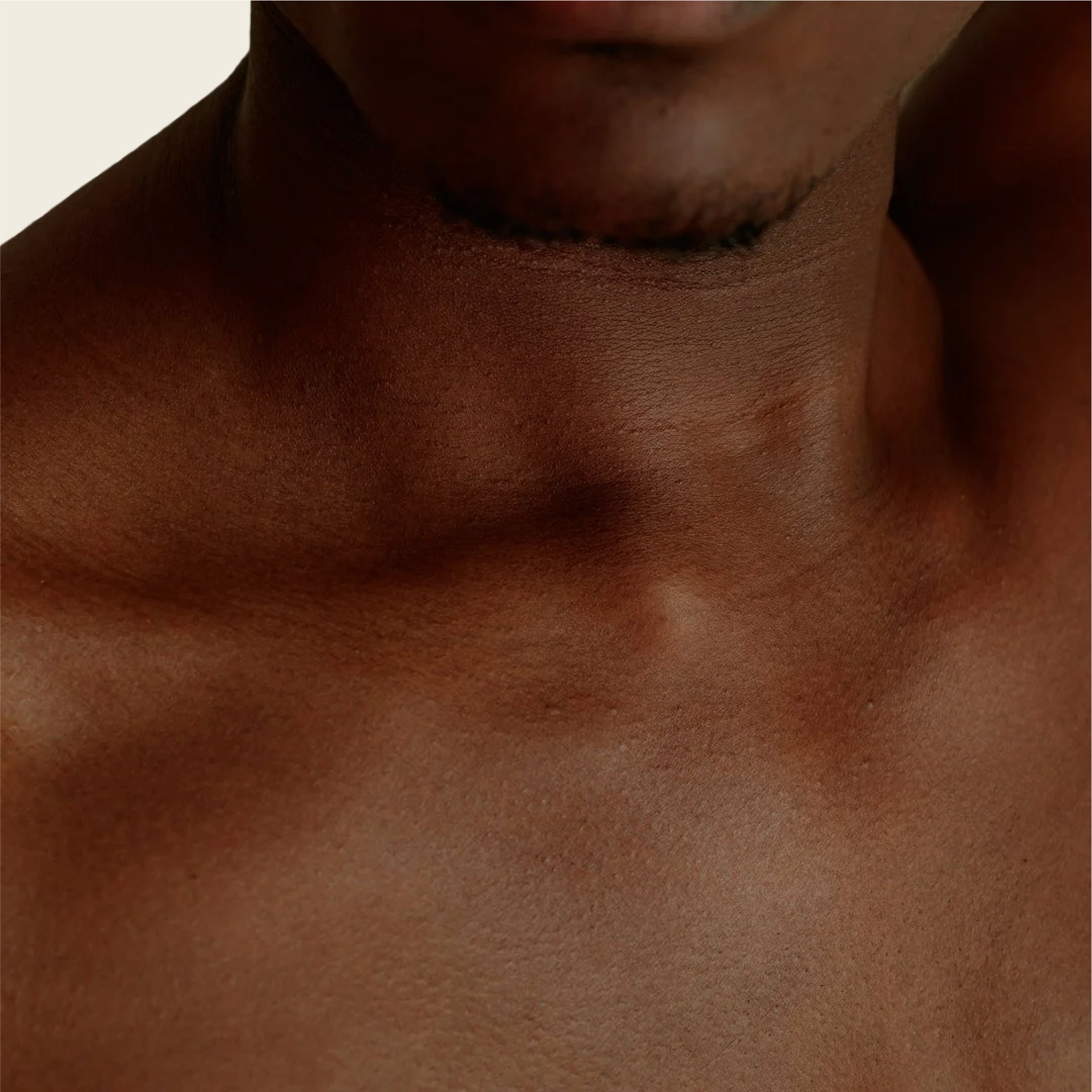
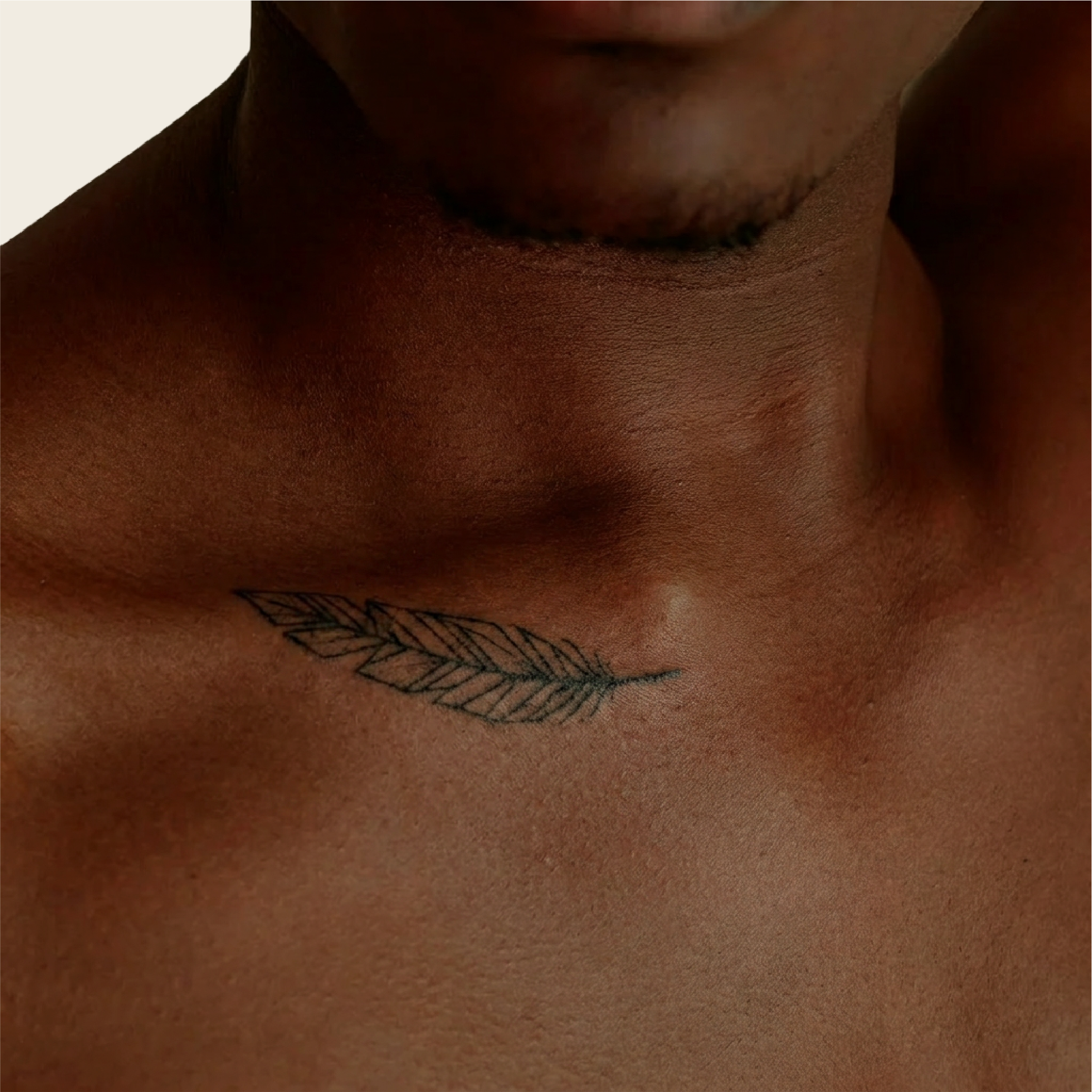
What to expectSchedule
Schedule a session or book a consultation.
Measure
We’ll measure your tattoo in sq. in.
Plan
Treatment and sessions will be determined.
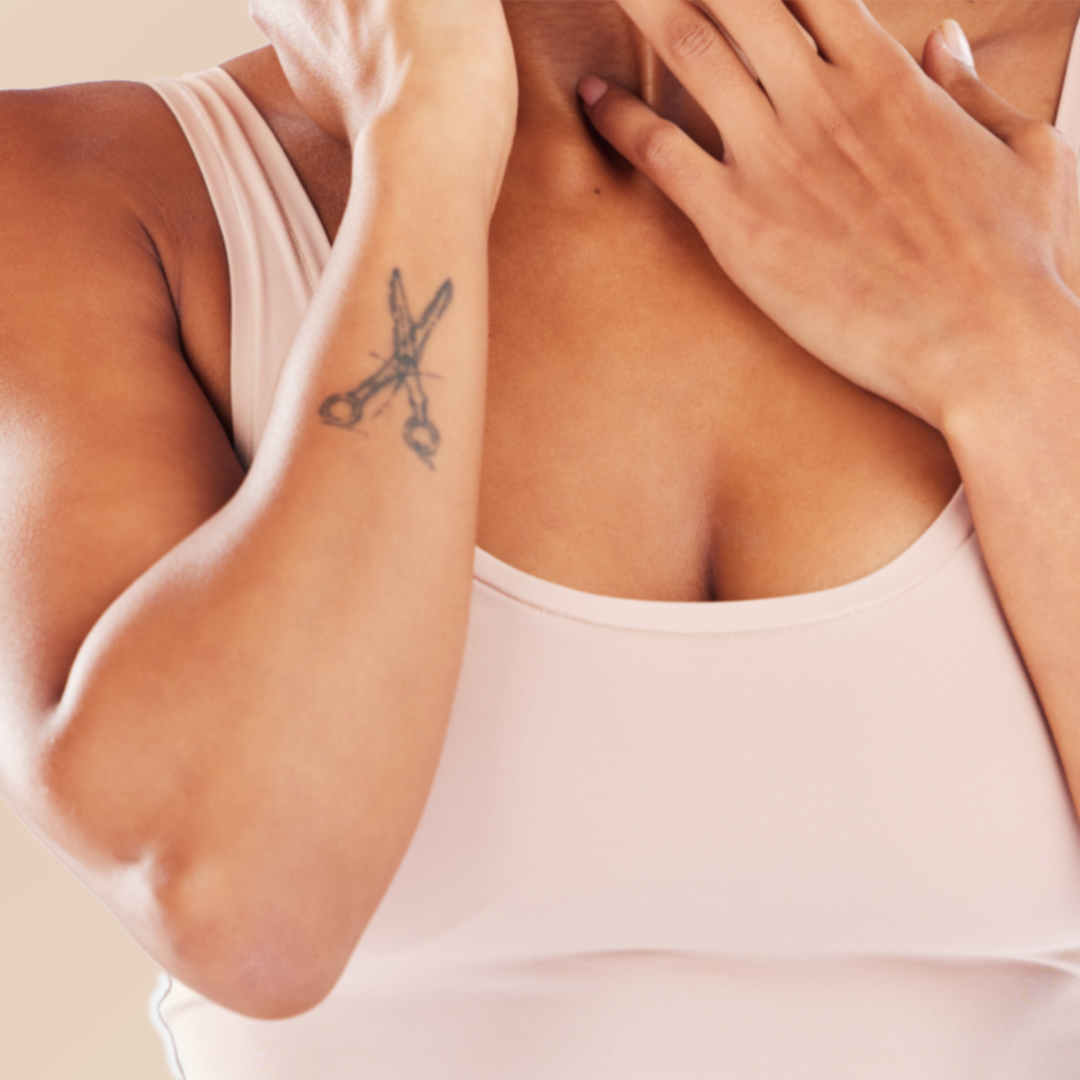
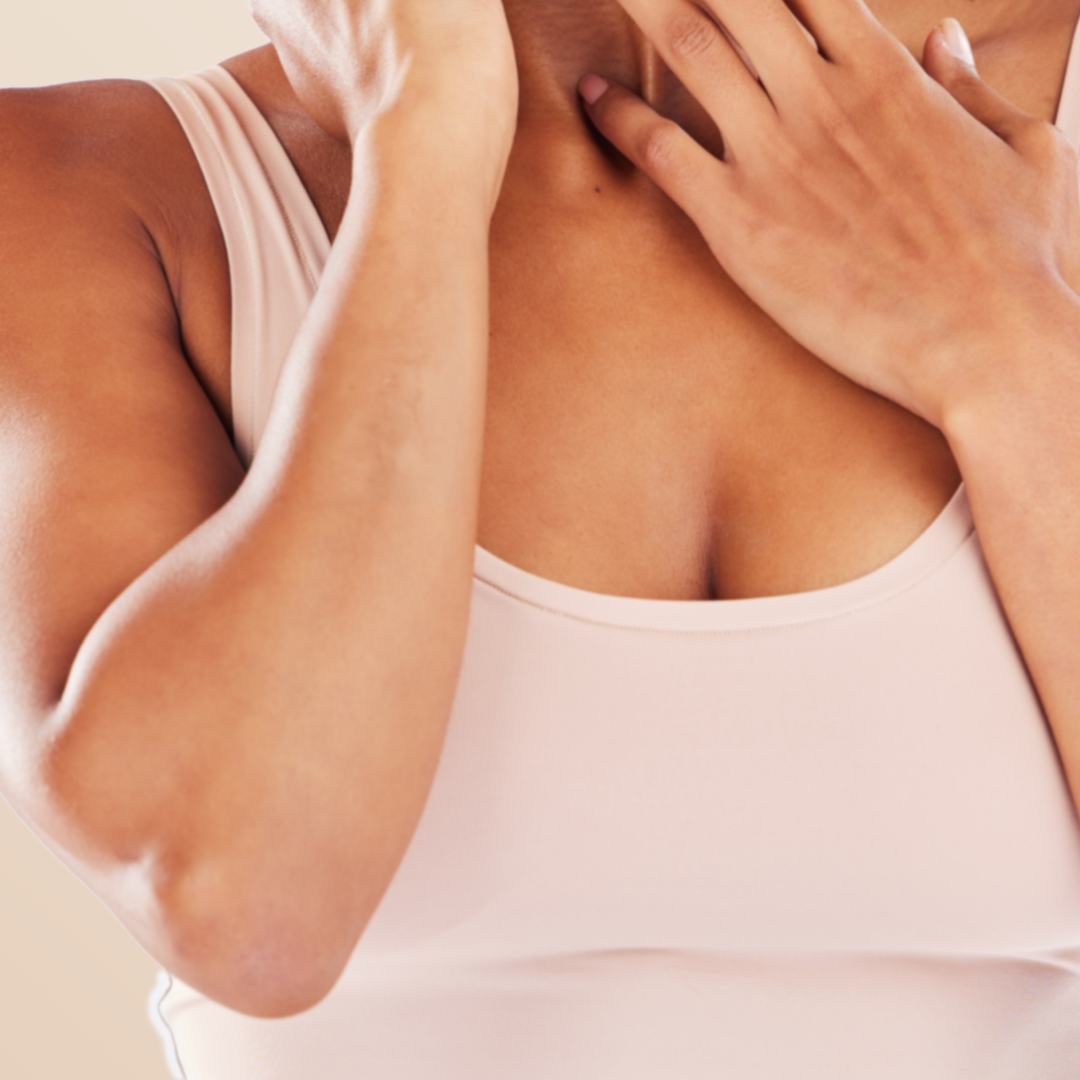
Laser Tattoo Removal XS < 2 sq in.size of postage stamp
Small 2-4 sq in.size of matchbook
Medium 4-9 sq in.size of business card
Large 9-16 sq in.size of index card
XL 16-25 sq in.size of smart phone
XXL 25-88 sq in.size of 8.5” x 11” paper
Tattoo fadingWe offer tattoo fading packages for a customized approach to lightening unwanted ink. Each session is tailored to your tattoo’s size, color, and depth, and scheduled at safe intervals to maximize fading while protecting your skin..
Tattoo removal and fading for areas larger than 88 sq in. requires a consultation.
One price until it’s gone
Every Tenora™ hair and tattoo removal service includes as many sessions as it takes — until you’re satisfied. Most clients see full results in 6–10 sessions, but everyone's skin, hair, and ink respond differently.
All tattoo fading starts with 3 sessions. If further sessions are needed, pricing will be adjusted to fit your goals.
How it works
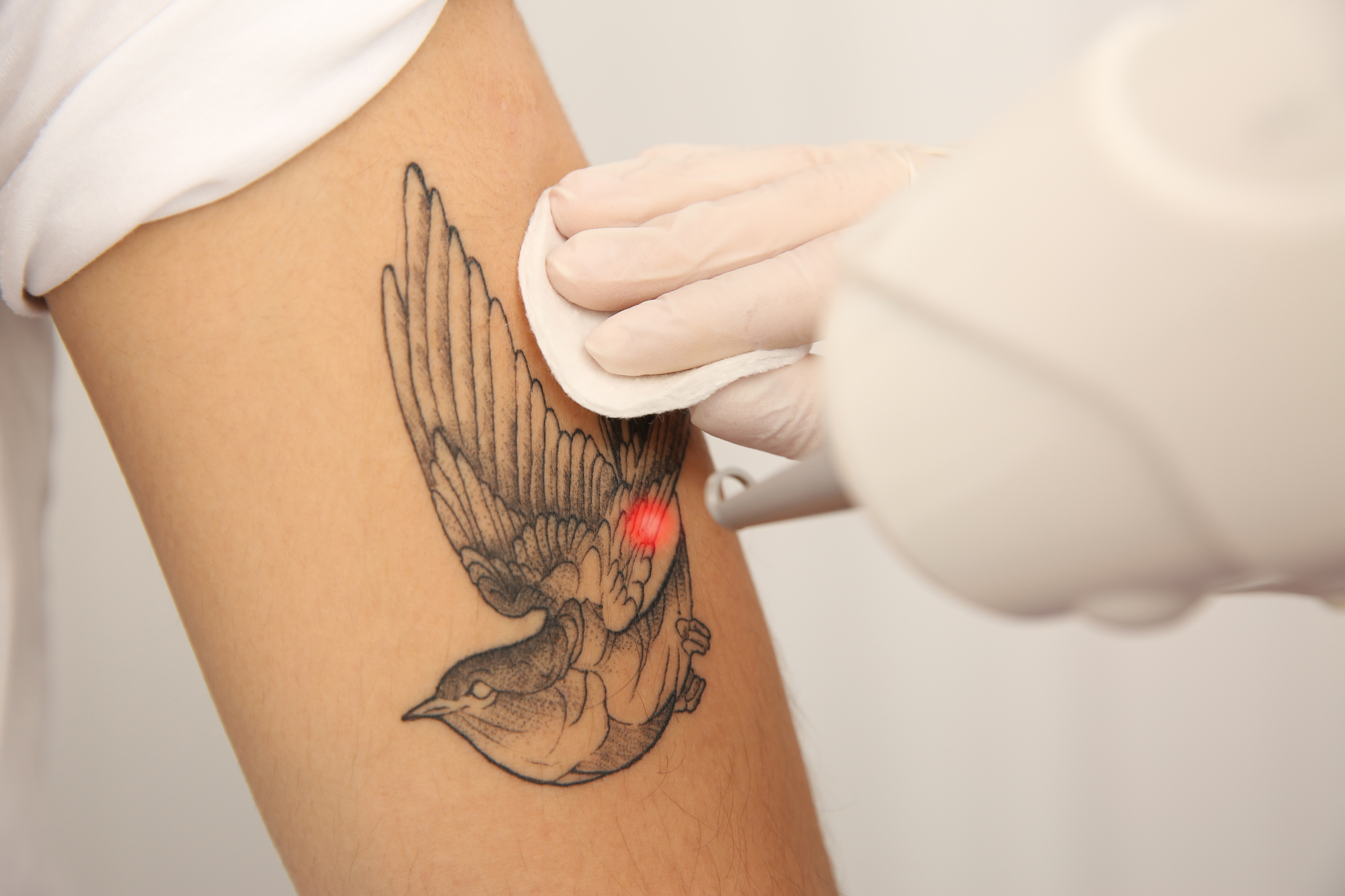
Laser tattoo removal works by directing short, high-intensity pulses of laser light at the tattooed skin; the light is absorbed by the tattoo ink, causing the pigment particles to heat up and fragment into smaller pieces. Those microscopic fragments are then cleared by the body’s immune system—primarily macrophages—over weeks to months.
Different wavelengths are used to target different ink colors, and treatments are spaced several weeks apart to allow healing and immune processing. Multiple sessions are usually required for significant fading or complete removal, with outcomes influenced by ink color, depth, age of the tattoo, skin type, and the specific laser technology used.
FAQs
How much does laser tattoo removal cost?
1
Pricing depends on the treatment area and the number of sessions in your package. Our payment plans will help determine which package is right for your goals.
Does laser tattoo removal hurt?
Most people describe the sensation as a quick snap, similar to a rubber band against the skin. Sessions are short — typically 5 to 20 minutes depending on size — and we use cooling throughout to keep you comfortable. You'll leave with simple aftercare instructions; the area is usually back to normal within a week or two.
2
How many sessions will I need?
Most areas require 6–10 sessions spaced 8-12 weeks apart. The exact number depends on the ink (colors, density, layering), the age of the tattoo, its location on the body, and how your skin responds. We give you an honest range at your consultation, not a fixed number — and we'll tell you when you're close to done.
3
Will my tattoo disappear completely, and is it safe for my skin?
4
Most tattoos fade significantly or fully with a complete course of sessions. Some inks (certain whites, yellows, and cosmetic pigments) resist laser energy and may leave faint residue. Laser tattoo removal is safe across skin tones when performed at the correct wavelength and energy for your skin — your operator calibrates settings to your specific skin type at every session. We'll walk you through what to realistically expect for your tattoo before you book.

Skin science
Pigment safe
Relative Fitzpatrcik scale
The Fitzpatrick scale is a six-point classification developed at Harvard in 1975 to describe how skin responds to ultraviolet light. It's the standard reference in dermatology for matching laser wavelengths and energy settings to a person's skin. It measures melanin content and UV response.
For laser hair removal specifically, the scale matters because lasers work by finding melanin — the pigment in hair follicles. Skin contains melanin too. The Guardian's job is to deliver enough energy to disable the follicle while leaving the surrounding skin untouched. Skin type determines which wavelength, which pulse duration, and which energy level make that possible.

I
Very fair skin, often with red or strawberry-blond hair and freckles. Always burns, never tans.

II
Fair skin, often with blond or light-brown hair. Burns easily, tans minimally.

III
Light to medium skin, typically with brown hair. Sometimes burns, gradually tans.

V
Brown skin. Very rarely burns, tans deeply.

VI
Deeply pigmented brown to black skin. Almost never burns.